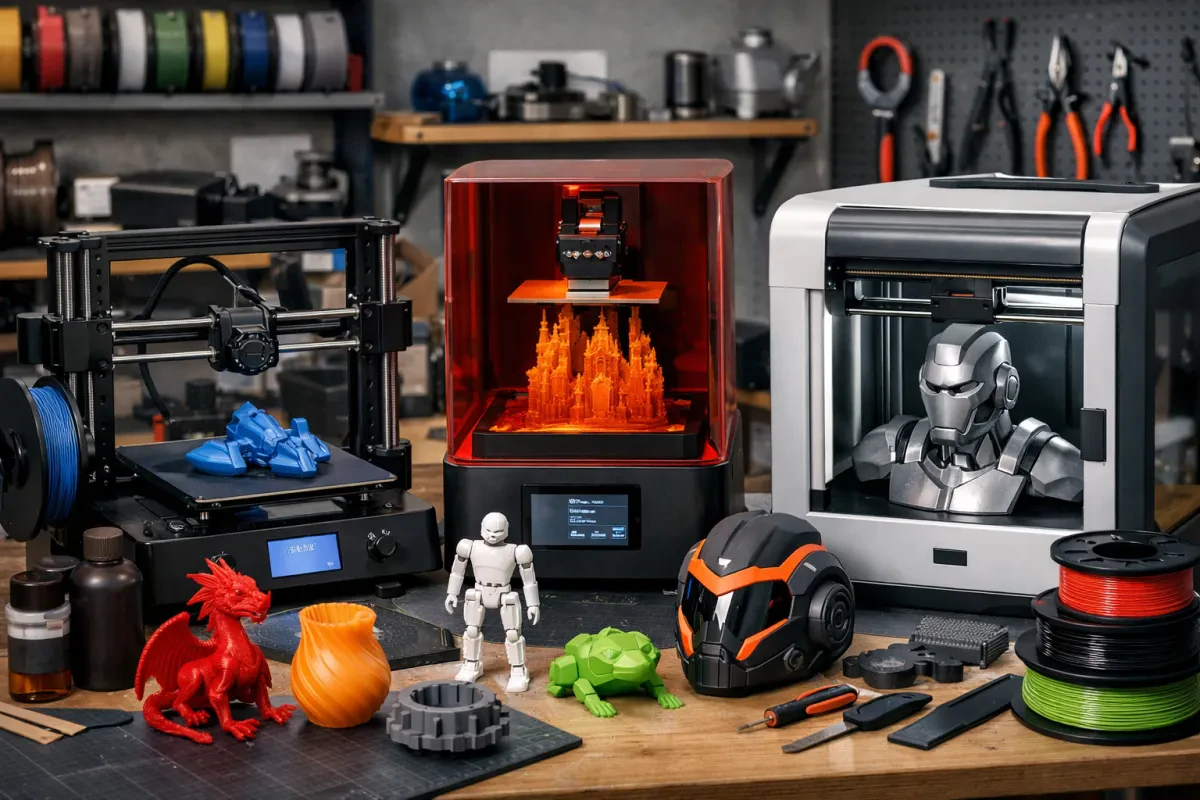
Before diving into the world of 3D printing, it's super important to figure out your needs. Different projects call for different types of printers. You might want to consider what you're planning to create and how detailed it needs to be.
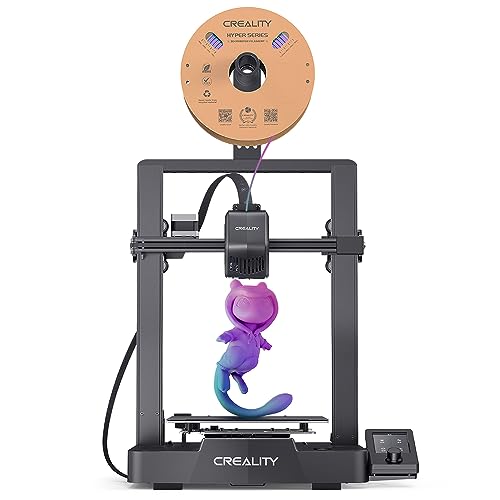
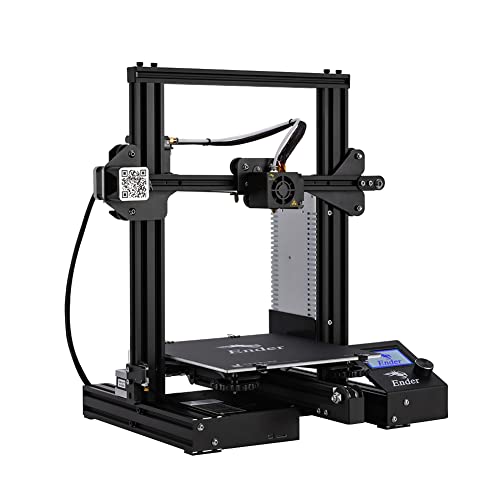
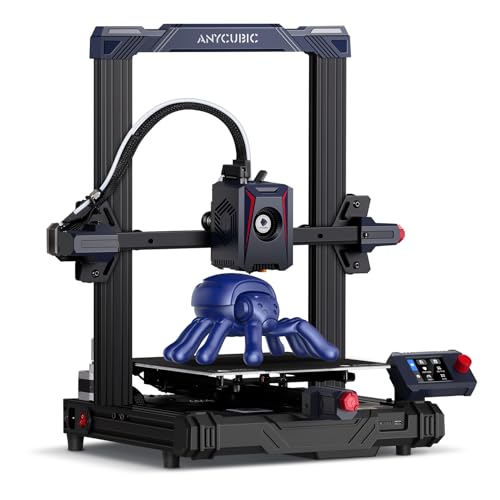
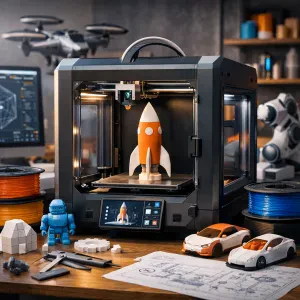
FDM printers are great for beginners and everyday projects. They use plastic filaments to build the objects layer by layer. If you’re into creating prototypes or basic models, FDM is your go-to choice. It’s straightforward, less messy, and usually on the cheaper side.
If your projects require high precision and smooth finishes, you might want to look at SLA printers. They use resin and a light source to cure it layer by layer. This means you get sharp details and a professional look, but be ready for a bit more maintenance and a higher price tag.
Now, let’s talk about SLS printers. These machines use powdered materials and lasers to fuse layers together. They’re perfect for more complex and durable objects. On the flip side, they tend to be pricier and can require a bit of technical know-how.
And don’t forget DLP! Similar to SLA, DLP also uses light to create objects, but it projects an entire layer at once. It’s faster than SLA while still providing great quality. For the FDM vs SLA vs SLS vs DLP comparison, think about your budget, the detail needed, and how much time you're willing to spend on setup and maintenance. Choose wisely, and you’ll have a 3D printer that fits perfectly into your creative life!
Types of 3D Printers Explained
When diving into the world of 3D printing, it’s important to understand the different types of printers out there. Each type has its unique features, strengths, and ideal uses. Let’s break down FDM, SLA, SLS, and DLP to see how they stack up against each other.
FDM, or Fused Deposition Modeling, is the most common type you’ll come across. It works by melting plastic filament and layering it to create your object. FDM printers are usually affordable and great for beginners. They’re perfect for making prototypes, educational models, and even toys. If you care about cost and ease of use, this is often the way to go.
SLA, or Stereolithography, uses a laser to cure liquid resin into a solid form. This method produces incredibly detailed prints with a smooth finish. If you want high-quality miniatures or intricate designs, SLA is your best friend. Just keep in mind that resin can be messy and a bit pricier than filament.
Next up is SLS, or Selective Laser Sintering. This one uses a laser to fuse powdered material, usually nylon, into a sturdy object. SLS printers can create complex shapes that are tough and durable. They are often used in industries like aerospace and automotive. If you need functional parts that can handle pressure, this is the way to go.
Finally, we have DLP, or Digital Light Processing. It’s similar to SLA but uses a projector to flash layers of resin all at once, which speeds things up. DLP offers great resolution and is ideal for larger prints. This can save you time if you need multiple items with fine details. In the FDM vs SLA vs SLS vs DLP comparison, each method shines in its own way, depending on your needs and budget.
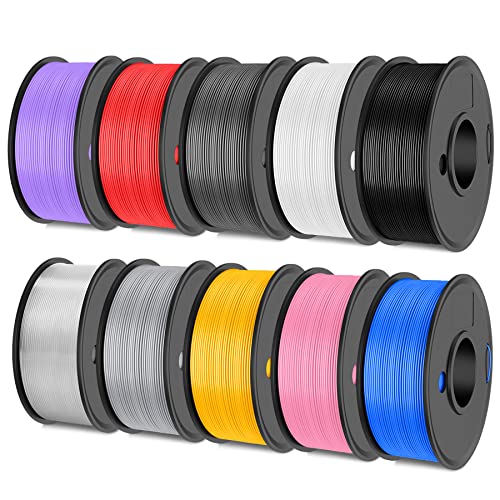
SUNLU 3D Printer Filament Bundle - 10 Colors
Create colorful and unique 3D prints with this versatile filament bundle perfect for all your projects
Product information
Product Review Score
4.44 out of 5 stars
105 reviewsProduct links
Key Features to Look For
When shopping for a 3D printer, you'll want to consider a few key features that really make a difference in your printing experience. Each type of 3D printer—FDM, SLA, SLS, or DLP—has its own perks and limitations, so understanding these will help you choose the right one for your needs.
First up, print quality. If you need fine details, SLA printers do a fantastic job. They use resin and can create really smooth surfaces. On the other hand, FDM printers are great for larger, sturdy models but might not deliver the same level of detail. You won’t get that crystal-clear edge with FDM that you do with SLA, SLS, or DLP.
Next, speed matters! Generally, FDM printers knock out prints faster compared to SLA or DLP. If you’re looking to pump out a lot of items quickly, FDM might be your best bet. SLS and DLP are slower, but they shine with finer details, so it’s a trade-off.
Don't forget about materials and versatility. FDM printers can handle a variety of filaments—PLA, ABS, and more. SLA and DLP are limited to resin, while SLS uses powdered materials, which can be a bit pricier. Consider what materials you want to work with and how different printing methods—FDM vs SLA vs SLS vs DLP comparison—impact your choices.
Lastly, think about your budget and the ongoing costs of materials. Some 3D printers come with a higher initial price, but the overall cost for filament or resin can vary a lot. Be sure to calculate your expected printing volume against material costs to find the right balance for your wallet.
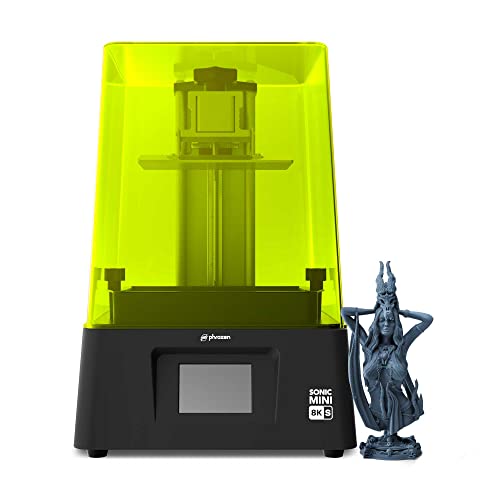
Phrozen Sonic Mini 8K S LCD Resin 3D Printer
Experience Unparalleled Precision and Detail with the Phrozen Sonic Mini 8K S LCD Resin 3D Printer
Product information
CA$520.50
Product Review Score
4.2 out of 5 stars
21 reviewsProduct links
Budgeting for Your 3D Printer
When looking at budget options for your 3D printer, it’s important to think about what you really need. A solid budget sets the stage for a successful purchase. FDM printers are usually the most wallet-friendly choice, perfect for beginners or those who want to print everyday items without breaking the bank. You can find decent options starting around $200 to $500. They’re simple, reliable, and great for fun projects.
SLA printers tend to be a bit pricier. You might spend anywhere from $300 to $1,500, depending on the quality and features. They offer stunning detail and smooth finishes, but keep in mind you'll also need to invest in resin, which can add up. If you’re looking for intricate designs or models, this could be a good pick.
SLS and DLP printers sit on the higher end of the budget spectrum. SLS printers are generally a big investment, often costing $5,000 or more. They’re perfect for professional applications but might be overkill if you’re just starting out. DLP printers can vary, but you might find them ranging from $500 to $8,000. Consider what you plan to create and how often you'll be using it when weighing these options.
A helpful tip is to factor in the ongoing costs too. While the initial price of the printer is important, materials like filament for FDM, resin for SLA, and powders for SLS and DLP can pile up. Also, think about the space you need, maintenance, and any upgrades you might want down the line. Doing a quick FDM vs SLA vs SLS vs DLP comparison can really help clarify where your money will go and which printer fits your needs best.