Jumping into 3D printing is super exciting, especially with the beginner guide to 3D printing 2026 at your fingertips! First things first, you need to pick a printer that suits your needs. If you're just starting out, look for user-friendly options that won't break the bank. Brands like Creality and Anycubic offer solid machines perfect for newbies. They balance quality and affordability, so you can dive in without stress.
Next, you'll want some good filament. PLA is a great choice for beginners because it's easy to work with and comes in a bunch of colors. Plus, it’s low on smell and doesn’t warp easily. As you get more comfortable, you can experiment with other materials like ABS or PETG, but starting with PLA keeps things simple.
Once you've got your printer and filament, it’s time to get printing! You’ll need slicing software to turn your 3D model into a file your printer can understand. Programs like Ultimaker Cura or PrusaSlicer are popular and pretty straightforward. Just load your model, tweak the settings according to your needs, and you’re ready to go!
Don’t forget to level your print bed before starting. A good first layer is key to a successful print, so take your time with this step. Keep the beginner guide to 3D printing 2026 close by to help you troubleshoot any hiccups along the way. It happens to everyone, so don’t get discouraged! With practice and patience, you'll be creating awesome prints before you know it.
Choosing Your First 3D Printer
First off, think about what you want to create. Are you looking to print simple household items, toys, or perhaps something more complex? Different printers excel at different tasks. For smaller projects, a resin printer can deliver some fine details. If you're focusing on larger, everyday items, a filament printer (like an FDM printer) could be your best bet.
Next, keep your budget in mind. You can find decent starters for under $300, but investing a bit more can get you a printer that offers better quality and reliability. Look for models with good reviews that fit your budget. Also, check for a community or support system around the printer you choose – it’s great to have help when you’re starting out!
Finally, consider features that matter to you. Some printers come fully assembled, while others require a build. If you love a bit of DIY, building your printer can be fun and rewarding. If not, grab one that’s easy to set up. Other features to look for include print size, ease of use, and how user-friendly the software is. This beginner guide to 3D printing 2026 is all about making your entry smooth!
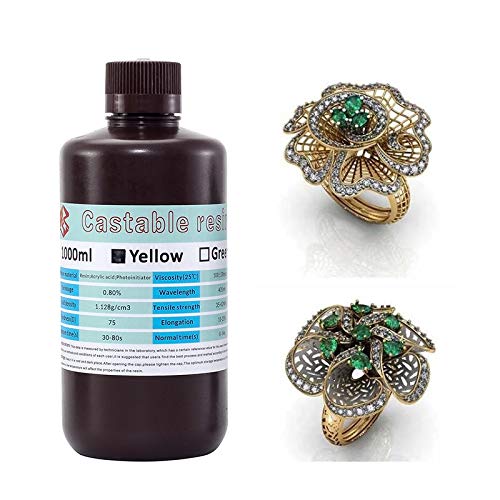
Castable Resin for Jewelry 3D Printing - 1000 ml
Achieve stunning detail and precision in your jewelry designs with our easy-to-use castable resin
Product information
$143.85
Product Review Score
4.34 out of 5 stars
174 reviewsProduct links
Essential 3D Printing Materials Explained
When diving into 3D printing, knowing your materials is crucial. Each material has its strengths and weaknesses, and understanding them will help you create better prints. In this beginner guide to 3D printing 2026, we'll break down some essential options you have.
PLA (Polylactic Acid)
ABS (Acrylonitrile Butadiene Styrene)
PETG (Polyethylene Terephthalate Glycol)
As you explore these materials in your 3D printing journey, keep in mind what you want to create. This beginner guide to 3D printing 2026 will set you on the right path to finding the perfect material for your projects. Happy printing!
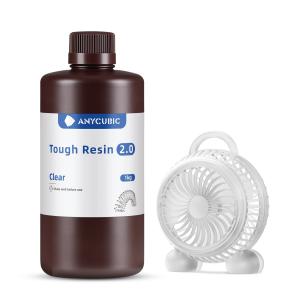
ANYCUBIC UV Tough Flexible 3D Printing Resin
Achieve stunning detail and flexibility in every print with this easy-to-use resin
Product information
$235.00
Product Review Score
4.15 out of 5 stars
33 reviewsProduct links
Common Mistakes to Avoid as a Beginner
Diving into 3D printing can be super exciting, but it’s easy to stumble over some common mistakes if you're not careful. Here are a few things to watch out for as you kick start your journey with this beginner guide to 3D printing 2026.
First up, don’t skip over learning the basics of your printer. Each machine has its quirks. Take some time to really understand what options and settings you have. If you rush into a print without knowing your nozzle size or temperature settings, you might end up with a mess instead of a masterpiece.
Another mistake beginners often make is not calibrating their printer before starting a project. Calibration is crucial! If it's off, your prints will have issues like warping or not sticking to the print bed. Spend a little time perfecting your setup, and you’ll save yourself a lot of headaches later on.
Let’s not forget about filament selection. Not all filaments are created equal! Some require specific temperatures or settings. Make sure to read up on the type of filament you’re using and follow its guidelines. This little step can significantly affect the quality of your prints.
Lastly, be patient! It can be tempting to rush through the process, but good things take time. If a print doesn’t turn out right, use it as a learning opportunity. Every mistake is a chance to improve. Stick with it, and before you know it, you’ll be creating awesome prints in no time! This beginner guide to 3D printing 2026 is here to help you every step of the way.